
آخر الأخبار
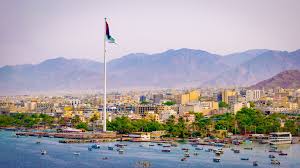
جوهرة العرب
كتبت رهام العمريين
Translated Version Below
تتربع محافظة العقبة على خريطة السياحة العالمية كوجهة استثنائية، لا بفضل شواطئها الخلابة فقط، بل لأنها مختبر طبيعي حيّ يكشف قدرة النظم البيئية على التكيف مع التغيرات المناخية.
ففي خليج العقبة تنبض الشعاب المرجانية الأكثر مقاومة لظاهرة الاحترار العالمي، حيث يصفها العلماء بأنها "أمل الكوكب الأخير" لحماية الحياة البحرية، بينما تعكس البيئات البرية المحيطة قدرة فريدة على التعايش مع ندرة المياه والجفاف، لتشكل معًا لوحة من الجمال الطبيعي والفرص السياحية النادرة.
مرجان العقبة: كنز بيئي عالمي
تُعد شعاب خليج العقبة ثروة بيئية لا مثيل لها عالميًا. ففي الوقت الذي تتعرض فيه معظم الشعاب المرجانية حول العالم للتبيض والانقراض بسبب ارتفاع درجات الحرارة، أظهرت أبحاث علمية حديثة أن مرجان العقبة يتمتع بمرونة وراثية وقدرة عالية على التكيف مع تغيرات المناخ، ما جعله مرشحًا ليكون أساس برامج إنقاذ الشعاب المرجانية عالميًا.
هذا التميّز البيئي يعزز من قيمة العقبة كوجهة للسياحة العلمية والبيئية، حيث يمكن للزوار والباحثين على حد سواء استكشاف هذا التنوع الفريد، والغوص بين الشعاب النابضة بالحياة التي تحتضن أكثر من 200 نوع من الأسماك و300 نوع من الكائنات البحرية.
بيئات برية تتحدى الجفاف
لا يقتصر التميّز البيئي للعقبة على البحر فقط؛ فالمناطق الجبلية والصحراوية المحيطة تُظهر نظمًا بيئية برية متكيفة مع الجفاف والحرارة العالية.
تتناثر في هذه الموائل نباتات وأشجار أصيلة مثل العاقول والشيح والطلح العربي، التي تدعم توازنًا بيئيًا مهمًا، بينما توفر المناطق الرطبة المؤقتة في مواسم الأمطار ممرات حيوية للطيور المهاجرة في رحلاتها بين آسيا وأفريقيا.
هذا التنوع البري الفريد يفتح الباب أمام أنماط جديدة من السياحة مثل سياحة مراقبة الطيور، والهايكنج، والسياحة الجيولوجية التي تعكس العمق التاريخي والجيولوجي للمنطقة.
التحديات التي تهدد هذه الجمالية
رغم هذا الثراء البيئي، تواجه العقبة تحديات متسارعة، أبرزها:
التغير المناخي: ارتفاع درجات الحرارة وازدياد حموضة المياه يشكلان تهديدًا صامتًا للنظم البحرية.
الزحف العمراني: التوسع السريع في المشاريع السياحية والتجارية يقلص بيئات الطيور المهاجرة ويغيّر الهوية التقليدية للمدينة.
الضغط السياحي المفرط: الاستخدام العشوائي للشواطئ ومواقع الغوص يعرض الشعاب المرجانية والأحياء البحرية للتلف.
استراتيجية لحماية العقبة وتحويلها إلى نموذج عالمي
للحفاظ على هذه الموائل الفريدة وتحويل العقبة إلى نموذج عالمي للسياحة البيئية المستدامة، يجب تبني خطوات عملية، من أهمها:
1. تعزيز السياحة المسؤولة
توعية الزوار بأهمية احترام النظم البيئية، وعدم الإضرار بالشعاب المرجانية أو رمي النفايات في البحر والشواطئ.
2. تطبيق إدارة بيئية ذكية
مراقبة الأنشطة البحرية والسياحية، وتحديد الطاقة الاستيعابية للشواطئ ومواقع الغوص، وتطبيق تشريعات صارمة للحد من التلوث البحري.
3. التخطيط العمراني المتوازن
دعم المشاريع الصديقة للبيئة التي تحافظ على هوية المدينة وتضمن انسجام التنمية مع النظم البيئية.
4. تمكين المجتمع المحلي
إشراك السكان والشباب في مبادرات حماية الموائل وتنظيم حملات توعية، بما يعزز الانتماء البيئي ويوفر فرص عمل محلية.
5. التوثيق والابتكار
استثمار تقنيات الواقع الافتراضي والمعزز لتوثيق الشعاب والموائل، ما يتيح الترويج العالمي للعقبة ويجذب فئات جديدة من السياح.
من "فرصة أخيرة” إلى "فرصة متجددة”
العقبة ليست مجرد وجهة سياحية تقليدية، بل رسالة بيئية عالمية. إذا ما جرى التعامل معها برؤية مستدامة وتكاملية، يمكن أن تتحول من موقع مهدد إلى نموذج دولي للتعايش بين الإنسان والطبيعة.
إن حماية مرجان العقبة وموائلها البرية ليست مسؤولية محلية فحسب، بل هي واجب إنساني عالمي، فهنا تكمن فرصة نادرة لإنقاذ كنز طبيعي يخدم كوكب الأرض بأسره، ويجعل من العقبة وجهة متجددة عبر الأجيال.
The Beauty of Aqaba’s Tourist Habitats: Coral that Saves the Planet and Surrounding Ecosystems that Adapt to Drought
By Riham Al-Amrieen
The Aqaba Governorate stands proudly on the global tourism map, not only for its stunning beaches but also as a living natural laboratory that demonstrates the remarkable ability of ecosystems to adapt to climate change.
In the Gulf of Aqaba, coral reefs — the most resilient in the world to global warming — thrive vibrantly, earning the title from scientists as "the planet’s last hope” for saving marine life. Surrounding terrestrial ecosystems, on the other hand, reveal a unique ability to survive under extreme water scarcity and drought, together painting a breathtaking picture of natural beauty and rare tourism opportunities.
Aqaba’s Coral: A Global Environmental Treasure
The coral reefs of the Gulf of Aqaba are a one-of-a-kind environmental treasure. While most coral reefs around the world face bleaching and extinction due to rising sea temperatures, recent scientific studies have revealed that Aqaba’s coral has a genetic resilience and extraordinary adaptive capacity to withstand climate shifts. This makes it a prime candidate to serve as the foundation for global coral reef restoration and conservation programs.
This environmental uniqueness amplifies Aqaba’s value as a hub for scientific and eco-tourism, allowing both visitors and researchers to explore its rich biodiversity, diving among vibrant reefs that are home to over 200 fish species and more than 300 types of marine organisms.
Terrestrial Ecosystems that Defy Drought
Aqaba’s environmental richness is not limited to its waters. The surrounding mountainous and desert landscapes host terrestrial ecosystems finely tuned to withstand drought and extreme heat.
These habitats are dotted with native plants and trees such as acacia, desert broom, and wormwood, which play a crucial role in maintaining ecological balance. Seasonal rain also creates temporary wetlands that serve as critical stopover points for migratory birds traveling between Asia and Africa.
This unique terrestrial biodiversity unlocks new forms of tourism, including birdwatching, hiking, and geotourism, offering deeper engagement with the region’s natural and geological heritage.
Challenges Threatening This Beauty
Despite its environmental wealth, Aqaba faces escalating challenges:
Climate Change: Rising temperatures and increasing water acidity pose a silent threat to marine ecosystems.
Urban Expansion: Rapid growth in tourism and commercial projects is shrinking migratory bird habitats and altering the city’s traditional identity.
Excessive Tourism Pressure: Unregulated use of beaches and diving sites risks damaging coral reefs and harming marine life.
A Strategy to Protect Aqaba and Make It a Global Model
To preserve these unique habitats and transform Aqaba into a world-class model of sustainable eco-tourism, a practical, multi-pronged strategy is essential:
1. Promote Responsible Tourism
Educate visitors on respecting ecosystems, avoiding harm to coral reefs, and keeping beaches and waters free of waste.
2. Implement Smart Environmental Management
Monitor marine and tourism activities, establish carrying capacities for beaches and dive sites, and enforce strict regulations to curb marine pollution.
3. Balanced Urban Planning
Encourage eco-friendly projects that maintain the city’s cultural identity while ensuring that development aligns with environmental preservation.
4. Empower the Local Community
Engage residents and youth in habitat protection initiatives and awareness campaigns, fostering environmental stewardship and creating local job opportunities.
5. Documentation and Innovation
Leverage virtual and augmented reality technologies to document reefs and habitats, enhancing global promotion and attracting new categories of tourists.
From "Last Chance” to "Renewable Opportunity”
Aqaba is more than a traditional tourist destination — it is a global environmental message. With a sustainable and integrated approach, it can shift from being a site under threat to a world-class model of coexistence between humans and nature.
Protecting Aqaba’s coral reefs and terrestrial habitats is not just a local duty but a shared human responsibility. Here lies a rare opportunity to safeguard a natural treasure that serves the entire planet, ensuring that Aqaba remains a renewable opportunity for generations to come.